Trillions of Clues: What Primate Gut Bacteria Are Teaching Us About Health, Evolution, and Survival

Photo: scientist collecting primate fecal sample field research gut microbiome laboratory, via images-na.ssl-images-amazon.com
On any given morning at a field research station in Uganda or a primate sanctuary in Florida, a scientist in latex gloves is carefully collecting a fecal sample and sealing it into a cryogenic vial. The process is unglamorous, but what those samples contain has become one of the most exciting frontiers in biological science. The gut microbiome — the vast, dynamic ecosystem of bacteria, fungi, viruses, and other microorganisms residing in the gastrointestinal tract — is reshaping how researchers understand primate health, evolutionary history, and the biological underpinnings of human disease.
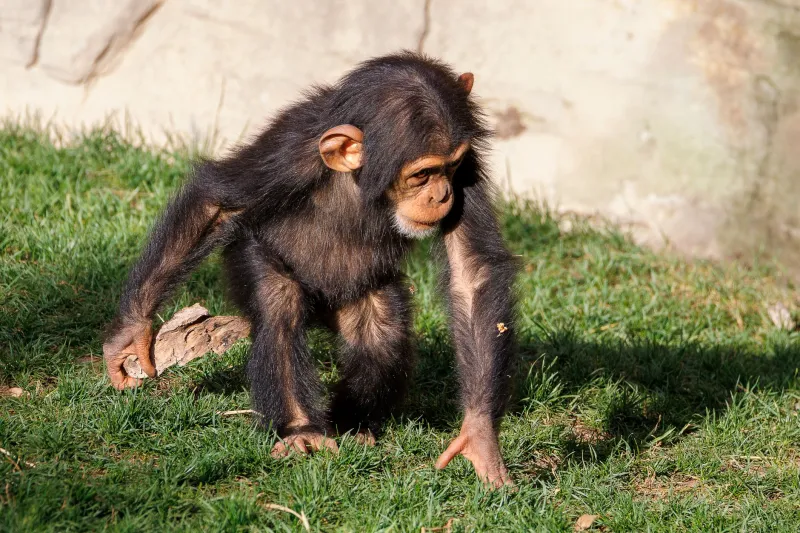
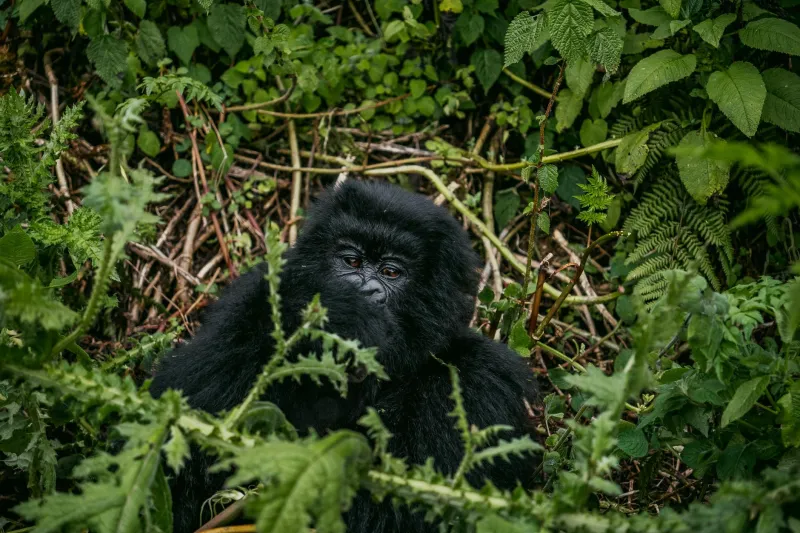
For the scientific community, primates represent an extraordinary window into our own biology. Because humans share significant genetic ancestry with species such as chimpanzees, bonobos, gorillas, and macaques, studying their microbial communities offers a kind of biological mirror — one that reflects not just where we came from, but how our bodies continue to function today.
A Living Ecosystem Within
The mammalian gut is home to an estimated 38 trillion microbial cells, a number that rivals or exceeds the total count of human cells in the body. These microorganisms are not passive passengers. They actively participate in digestion, immune system regulation, inflammation response, and even the production of neurotransmitters that influence mood and cognition. In primates, the composition of this microbial community — which species are present, in what proportions, and how they interact — varies considerably across taxa, populations, and individuals.
Researchers have found that great apes living in the wild harbor far greater microbial diversity than those in captivity, a pattern that mirrors trends observed in human populations. Hunter-gatherer communities, for example, consistently show richer gut microbiomes than industrialized Western populations. This parallel has energized scientists studying both human health and primate conservation, suggesting that microbial diversity may be a meaningful indicator of overall physiological resilience.
Reading Disease Resistance in the Microbiome
One of the most consequential discoveries in recent primate microbiome research concerns disease susceptibility. Studies examining chimpanzee populations in Central Africa have identified specific bacterial taxa associated with resistance to simian immunodeficiency virus (SIV), the primate analog of HIV. While chimpanzees can carry SIV without progressing to AIDS-like illness at the rates observed in humans with HIV, the mechanisms behind that resistance have long puzzled researchers. Emerging evidence suggests the gut microbiome plays a modulatory role, influencing immune activation in ways that may dampen viral progression.
This line of inquiry has direct relevance for American biomedical research institutions and public health agencies. If particular bacterial strains confer protection against viral disease in non-human primates, understanding how those strains function could open pathways toward novel therapeutic strategies for human patients — including microbiome-based interventions that supplement or reshape the gut ecosystem rather than relying solely on pharmaceutical compounds.
Diet, Ecology, and Microbial Fingerprints
A primate's microbiome is not fixed. It shifts in response to diet, season, social group, and habitat — a plasticity that researchers find both fascinating and practically useful. In howler monkeys studied across different forest fragments in Central America, scientists documented dramatic shifts in gut bacterial composition corresponding to changes in food availability. When fruit became scarce and leaf consumption increased, the microbiome reconfigured itself to enhance the fermentation of complex plant fibers. This metabolic flexibility, encoded not in the monkey's own genome but in its microbial community, may represent a critical survival mechanism in environments altered by deforestation.
For conservation biologists working to protect wild populations, these findings have immediate practical applications. Microbiome profiling is increasingly being used as a non-invasive health assessment tool. By analyzing fecal samples collected without disturbing the animals, researchers can detect signs of nutritional stress, pathogen exposure, or immune dysfunction long before visible symptoms appear. In populations already under pressure from habitat loss or climate change, early detection of health decline can be the difference between timely intervention and irreversible population collapse.
Captive Welfare and the Microbiome Gap
The welfare implications of microbiome research extend directly to the hundreds of primates housed in accredited zoos, research centers, and sanctuaries across the United States. Studies comparing captive and wild individuals of the same species consistently reveal that captivity narrows microbial diversity — a consequence of standardized diets, reduced physical activity, altered social structures, and antibiotic exposure. This microbial impoverishment has been linked to higher rates of gastrointestinal disease, immune dysregulation, and behavioral abnormalities in captive primates.
Institutions are beginning to respond. Some facilities have introduced dietary enrichment programs specifically designed to promote microbial diversity, incorporating fermented foods, varied plant matter, and prebiotic supplements into feeding regimens. Others are exploring fecal microbiota transplantation — a technique already in clinical use for human patients with recurrent Clostridioides difficile infections — as a means of restoring healthy microbial communities in compromised individuals. These interventions represent a meaningful advance in evidence-based captive animal care, one that is grounded in the same microbiome science being applied to human medicine.
Evolutionary Echoes and Human Health
Perhaps the most intellectually compelling dimension of primate microbiome research is what it reveals about evolutionary history. By mapping the microbial communities of dozens of primate species and comparing them against phylogenetic trees, scientists have demonstrated that the gut microbiome co-evolves with its host — a process known as phylosymbiosis. Related primate species tend to harbor more similar microbial communities than distantly related ones, suggesting that host genetics shape the microbial ecosystem over evolutionary time.
This finding has significant implications for understanding human health conditions with microbial components, including inflammatory bowel disease, obesity, type 2 diabetes, and certain neurological disorders. By studying how ancient primate lineages maintained microbial equilibrium across millions of years, researchers hope to identify which microbial relationships are functionally essential and which contemporary human conditions may reflect a disruption of those ancestral partnerships.
American research universities and institutes, including those affiliated with primate research networks, are increasingly investing in longitudinal microbiome studies that track individual primates across years or decades. The data generated by these studies will likely inform clinical research for a generation.
A Shared Future
The science of the primate gut microbiome sits at a remarkable intersection — connecting evolutionary biology, conservation medicine, captive animal welfare, and human health research within a single, unified framework. As sequencing technologies become faster and more affordable, the field will only accelerate. Samples that once required expensive laboratory infrastructure can now be analyzed through portable sequencing platforms in the field, making real-time microbiome monitoring of wild populations increasingly feasible.
For those committed to both advancing primate science and protecting the species that make that science possible, the microbiome represents more than a technical frontier. It is a reminder that the health of primates and the health of humans are not separate concerns — they are deeply, biologically intertwined. Every fecal sample collected in a forest clearing or a sanctuary enclosure carries within it trillions of clues about who we are, where we came from, and how we might better protect the living world we share.